QMH Warehouse Solutions & Services


Published by Hector Pinto on , last updated
Plastic pallets are a staple in modern logistics. They offer durability and a lightweight design, making them a preferred choice.
Understanding their weight capacity is crucial for safe and efficient operations. It ensures that goods are transported without risk of damage or accidents. The weight capacity of plastic pallets varies widely. Factors like design, material, and intended use all play a role.
Choosing the right pallet involves knowing these factors and matching them to your needs. This guide will help you navigate the complexities of plastic pallet weight capacities.
By the end, you’ll be equipped to make informed decisions for your logistics operations.
What Is Plastic Pallet Weight Capacity?
Plastic pallet weight capacity refers to the maximum load a pallet can safely support. This is a critical factor in pallet selection for logistics tasks.
A pallet’s weight capacity is influenced by several elements. Material type and construction design are key factors. These factors help determine the strength and durability of the pallet.
Understanding weight capacity ensures safe stacking and transportation. Failing to do so risks damage to goods and safety hazards in warehouses.
Here are common weight capacity categories:
- Light-duty: Supports up to 1,000 pounds.
- Medium-duty: Handles between 1,000 and 3,000 pounds.
- Heavy-duty: Exceeds 3,000 pounds, sometimes up to 5,000 pounds or more.
Pallets with varied weight limits serve different industry needs. Choosing the right one depends on your specific requirements.

Key Factors Affecting Pallet Weight Limit
The material of a plastic pallet greatly affects its weight limit. High-density polyethylene (HDPE) and polypropylene (PP) are common materials, known for their strength and durability.
Design also plays a vital role in weight capacity. Pallets with structural reinforcements can support heavier loads. Specific elements like molded patterns boost strength without adding much weight.
Environmental conditions can impact the load a pallet supports. Extreme temperatures, whether cold or hot, can alter the plastic’s properties. This may weaken its capacity to carry weight.
When considering weight limits, remember proper load distribution is essential. Uneven placement of goods can create stress points, affecting the pallet’s performance.
Here are key factors influencing weight limits:
- Material type: HDPE vs. PP.
- Design features: Reinforcements and patterns.
- Environmental impact: Temperature and humidity.
- Load distribution: Ensuring even weight spread.
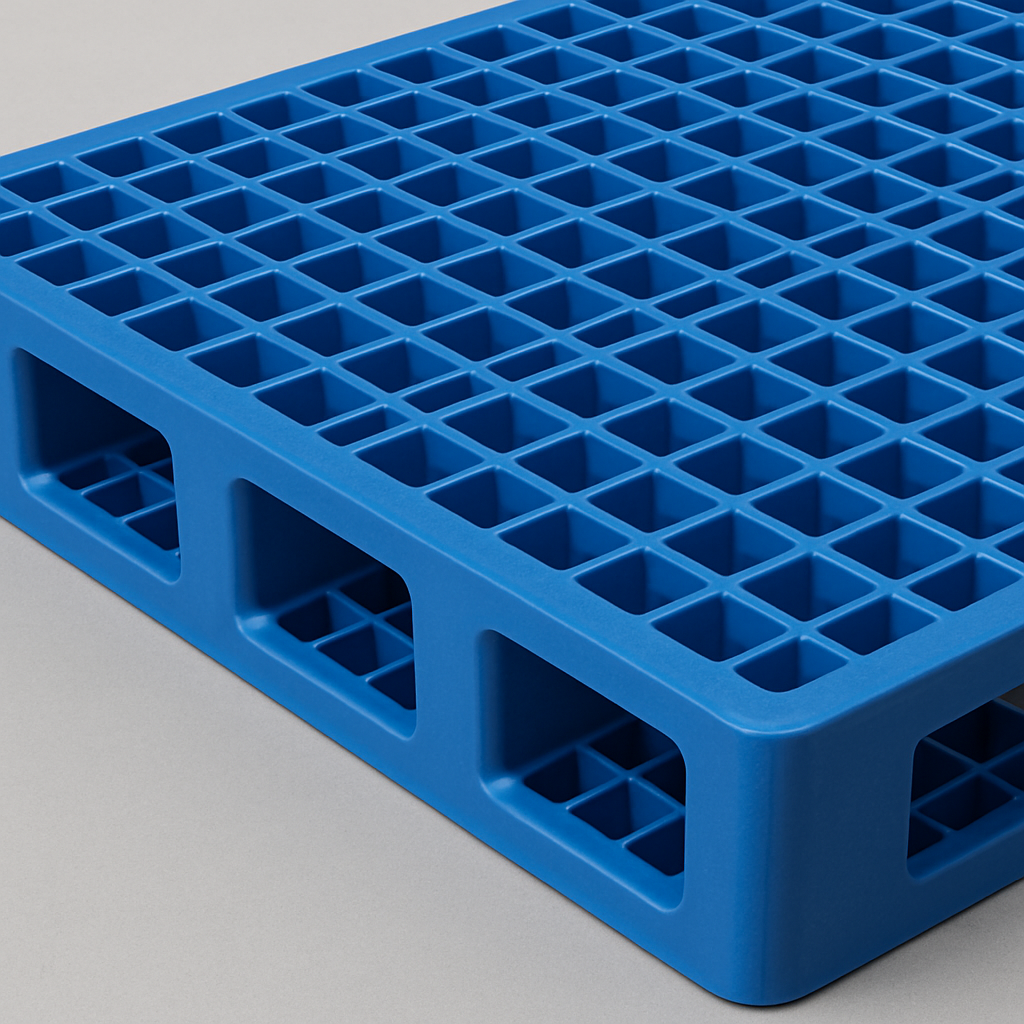
Understanding these factors helps in selecting the right pallet for specific tasks. This ensures safety and efficiency in logistics operations.
Types of Plastic Pallets and Their Load Capacities
Plastic pallets come in various designs, each tailored for specific purposes. Their load capacities can vary significantly, depending on their type and intended use.
Nestable pallets are space-saving and light, often used for retail and general shipping. Despite their lightweight nature, they can handle loads up to 1,500 pounds. This makes them ideal for less demanding applications.
Rackable pallets offer more strength and stability, essential for storage on racks. These pallets can typically support weights up to 2,800 pounds, making them suitable for heavy-duty storage.
Stackable pallets provide a flat and stable surface, useful for stacking multiple pallets. They are versatile and can usually carry weights between 2,000 and 3,000 pounds.
Here are common types of plastic pallets and their capacities:
- Nestable pallets: Up to 1,500 pounds.
- Rackable pallets: Up to 2,800 pounds.
- Stackable pallets: Between 2,000 and 3,000 pounds.

Understanding these options allows you to choose the right pallet type. Select one that matches your specific weight and storage requirements. This choice can optimize your logistics and ensure effective load management.
Standard Sizes and How Much Plastic Pallets Weigh
Plastic pallets come in an array of standard sizes. The most common size is 48×40 inches, suitable for various industries. Other sizes might cater to specific needs, ensuring flexibility in logistics operations.
The weight of a plastic pallet itself is often lighter than wood or metal alternatives. Typically, a plastic pallet weighs between 10 and 50 pounds. This lightweight nature offers ease of handling, contributing to lower shipping costs.
Different factors, such as design and material, affect the actual weight of a plastic pallet. High-density polyethylene (HDPE) and polypropylene (PP) are commonly used materials. These materials lend pallets their robustness while maintaining a manageable weight.
Common plastic pallet sizes include:
- 48×40 inches: Widely used across industries.
- 42×42 inches: Useful for smaller loads.
- 40×48 inches: Preferred for certain export markets.
Selecting the right size ensures efficient use of space and resources. It also aligns with the dimensions of the goods being handled, further optimizing logistics efficiency.
Comparing Plastic Pallets to Other Pallet Materials
Plastic pallets offer several advantages over traditional materials like wood or metal. They are lightweight, reducing shipping weights and costs. Additionally, they are often more durable and resistant to various environmental factors.
When comparing load capacities, plastic pallets can be competitive with other types of pallets. Many plastic pallets handle similar loads to their wooden counterparts but with added benefits. For instance, they don’t absorb moisture, making them resistant to rot and corrosion.
Different materials suit different needs:
- Wood pallets: Heavier and can splinter.
- Metal pallets: Extremely durable but more costly.
- Plastic pallets: Lightweight, durable, moisture-resistant.

While metal offers durability, its cost can be prohibitive. Wood, though ubiquitous and affordable, lacks the hygienic properties of plastic. Overall, plastic pallets provide a balance of weight, cost, and durability, making them a versatile choice in logistics.
How to Choose the Right Plastic Pallet for Your Needs
Selecting the right plastic pallet for your logistics operations is crucial. It involves understanding your specific requirements and environmental conditions. A pallet that works well in a warehouse might not be suitable for export.
First, determine the load capacity you need. You must match this with your freight’s weight. If you handle heavy products, opt for a heavy-duty pallet. Consider the pallet’s maximum load limit for safety and efficiency.
Next, consider the pallet’s design. Stackable pallets are ideal for maximizing storage space. However, rackable pallets provide stability on racks. Choosing between nestable, stackable, and rackable varieties is key.
Additional features may also influence your choice:
- Anti-slip surfaces: For improved safety.
- RFID tracking: For enhanced inventory management.
- UV protection: For outdoor use.
Also, evaluate the environmental conditions they will face. Exposure to harsh temperatures or chemicals requires specific material pallets. Finally, cost considerations and long-term savings should guide your choice. Proper investment ensures your operations are efficient and cost-effective.
Best Practices for Maximizing Plastic Pallet Weight Capacity
Maximizing plastic pallet weight capacity involves more than just knowing the limits. Proper utilization ensures safety and efficiency in logistics.
One key strategy is even load distribution. Ensure weights are spread uniformly across the pallet surface. This prevents sagging and potential damage.
Regular maintenance checks are vital. Inspect pallets for any signs of wear or damage. A cracked pallet can significantly reduce weight capacity.
Also, consider the environmental conditions of usage. Extreme temperatures can affect a pallet’s strength. Use pallets designed for the specific environment.
Here are some practical tips to optimize pallet use:
- Assess load distribution consistently: Prevents uneven weight stress.
- Implement routine inspections: Catch early signs of damage.
- Adapt to the environment: Choose appropriate pallets for the conditions.

Adhering to these best practices enhances pallet durability and overall performance. This ensures that logistics operations remain smooth and effective.
Benefits of Using Plastic Pallets in Logistics
Plastic pallets offer substantial advantages for logistics operations. Their durability outperforms traditional wood pallets, reducing costs from damages and replacements.
A significant benefit lies in hygiene and safety. Plastic does not absorb moisture, preventing mold and contamination risks. This feature is crucial in food and pharmaceutical sectors.
Moreover, plastic pallets are eco-friendly. They are recyclable, contributing to sustainability goals. With longer lifespans, they aid in reducing material waste.
Key benefits of plastic pallets include:
- Durability: Longer lifespan than wood.
- Hygiene: Resistant to mold and bacteria.
- Sustainability: Recyclable and environmentally friendly.
These benefits enhance logistics efficiency while aligning with environmental and safety standards. Such attributes make plastic pallets an ideal choice across various industries.
Frequently Asked Questions About Plastic Pallet Weight Capacity
Understanding plastic pallet weight capacity can lead to many questions. Addressing these queries is key to effective pallet usage.
One common question is about the typical weight limit of plastic pallets. Standard plastic pallets can usually support loads between 1,000 and 3,000 pounds.
Another frequent inquiry is how the design affects capacity. Reinforcements and material types such as HDPE and PP play significant roles here.
Here are common questions about plastic pallet weight capacity:
- What is the weight limit of a plastic pallet?
- Do all plastic pallets weigh the same?
- How do design elements impact load capacity?
Answering these questions ensures a comprehensive understanding of how to utilize plastic pallets effectively.
Conclusion: Making the Most of Plastic Pallet Weight Capacity
In summary, understanding plastic pallet weight capacity is crucial for any logistics operation. It can enhance efficiency and ensure safety. Knowledge of pallet materials, design, and size significantly impacts their effective use.
Choosing the right plastic pallet can lead to operational excellence. It can optimize costs and improve logistical processes. With informed decisions, the benefits of using plastic pallets can be fully realized, boosting both productivity and sustainability in supply chain management.